

The Zero Trust model moves away from traditional perimeter-based security by requiring continuous verification for all network access, regardless of location. This approach is particularly valuable for industries that manage critical infrastructure, such as energy, manufacturing, and transportation, because the consequences of an attack can extend beyond financial losses to compromise physical safety and operational continuity.
Zero Trust considerations for OT
- Zero Trust is a critical shift in security for OT. It moves away from the old perimeter-based model by continuously verifying every user and device, which is essential as OT and IT networks become more interconnected.
- Implementation requires a strategic and layered approach. This includes micro-segmenting the network to isolate critical systems, continuously monitoring for threats, and aligning with several recognised standards.
- There are significant challenges, but the long-term benefits outweigh them. While implementing Zero Trust in OT can be complex and costly due to legacy systems and potential latency, it offers a unique opportunity to enhance cyber resilience, reduce the risk of serious disruptions, and ultimately protect physical safety and operational continuity.
Who is this for?
This white paper is essential for IT/OT Leaders, cybersecurity teams, and anyone concerned with regulatory compliance in the OT industry.
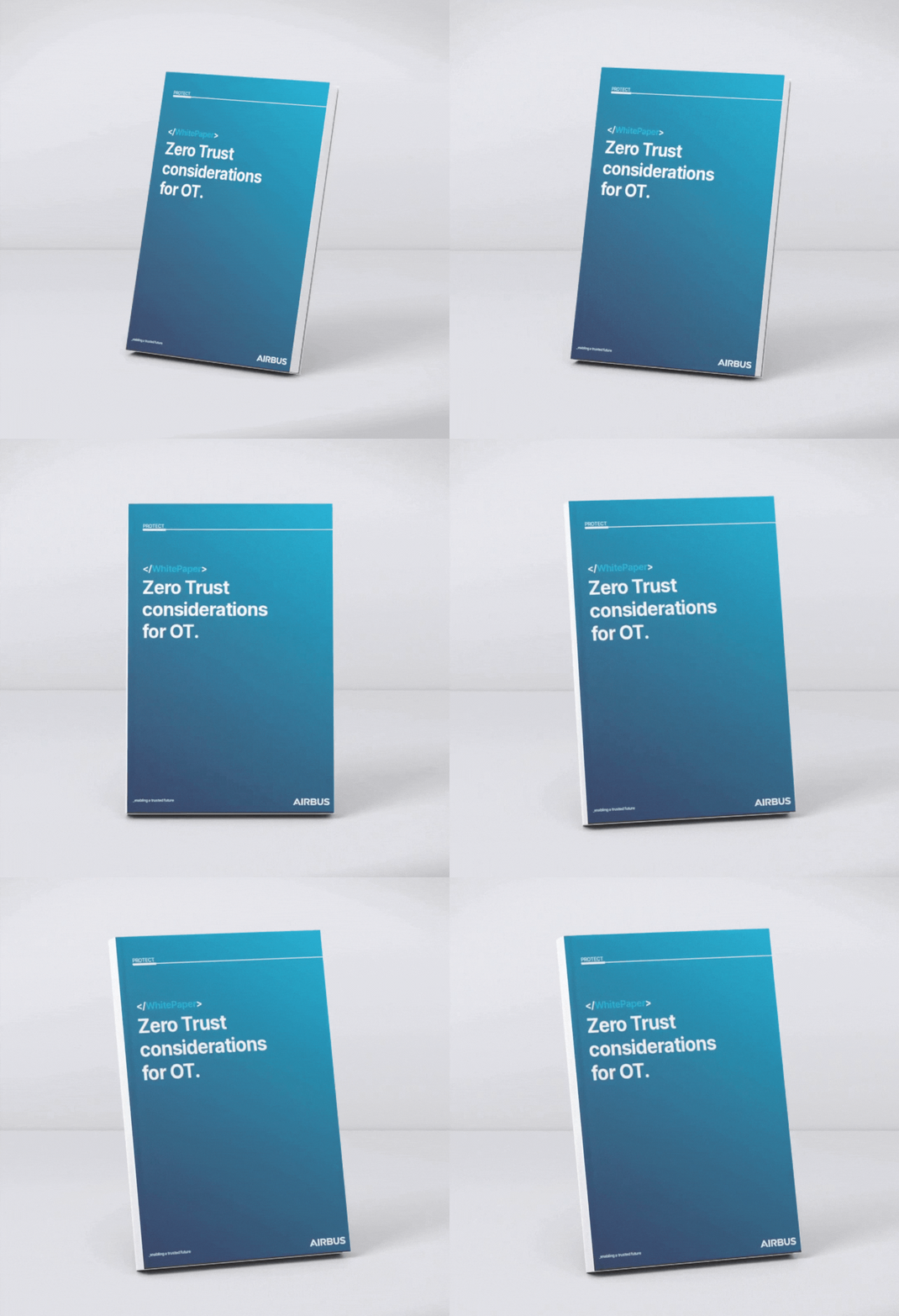
Download our white paper to learn everything you need about Zero Trust in OT.
Get in touch to discover how we can support you in securing your critical distributed systems.