




Certifications & Regulations

Enhancing Safety and Optimising Performance

In a context of increasingly complex aerospace programmes and strict compliance requirements, Certification & Regulations activities play a vital role in bringing safe, airworthy and regulation-compliant systems to market.

At Airbus Protect, we support our customers across aircraft, helicopters, space, ATM, and defence domains—in navigating the certification landscape, aligning with regulatory frameworks, and ensuring conformity through the development lifecycle.

Our mission: enhancing safety and optimising performance while streamlining compliance.

Why Airbus Protect?

At Airbus Protect, we combine regulatory expertise, certification experience, and cross-domain engineering insight to support your Certification & Regulations objectives from concept to compliance.

Our teams work hand-in-hand with your Design Office to define certification strategies, interface with authorities, and demonstrate conformity to evolving standards. With delegated CVEs, regulatory specialists, and design assurance experts on board, we help you navigate complex requirements with confidence—whether in civil aviation, space, ATM, or defence.

Expertise we serve

Certification Support (DCS / CVE Activities)

We support Design Offices in securing and demonstrating compliance throughout new developments, acting as a trusted interface between engineering teams and certification authorities. We intervene all along the V-cycle, from development of certification strategies, aligned with authorities requirements, to preparation and delivery of compliance demonstration packages.

Regulations & Standards

We help organisations demonstrate conformance with specific regulations applicable to space systems, ATM, and defence domains where EASA-type certification does not apply, but regulatory oversight remains critical. We have in-depth knowledge of applicable standards for Space, ATM and Defence.

Activities include: 

  • Regulatory gap assessments
  • Support for audit preparation and execution
  • Documentation and traceability of compliance evidences
  • Expertise on EGNOS-specific topics where EASA certification overlaps with space/ATM

Design Assurance

We ensure systems are developed in compliance with safety-critical standards, providing confidence to both certification authorities and stakeholders, through warranting lifecycle documentation aligned with DO-178, DO-254, ARP4754, DO-160, DO-278, etc. Provided activities are: 

  • Gap analyses to identify process or artefact gaps vs. standards
  • Audits and documentation reviews across ATA chapters
  • Quality assurance and compliance support at system, hardware, and software levels
  • Writing documentation compliant with standards

Safety & RAMS

We support safe system development throughout the V-cycle by applying best practices like ARP4754 and ARP4761 to anticipate and mitigate risks. This covers safety plans, dedicated to customers’ processes, safety analysis tailored to aircraft (aircraft/system/equipment levels) or helicopters, such as FHA, PSSA, SSA, FMEA/FMES, MMEL, CCA, PRA, and dependability assessments aligned with space authority regulations.

Industries we serve

Check out our training offering for Safety

Discover our training session for aeronautical certification & agreement regulations : B25. EASA REGULATIONS RELATING TO PART 21

Get in touch to discover how we can support you

What's new?

Filter
Blog
From QMS to SMS: The Evolution of Safety Management Systems

What exactly is a Safety Management System (SMS)? A Safety Management System (SMS) is a systematic and explicit approach to managing safety, encompassing the necessary organisational structures, accountabilities, policies, and procedures. It essentially applies the rigour of quality management principles to the domain of operational safety. Unlike traditional, fragmented safety programmes that might rely solely [...]

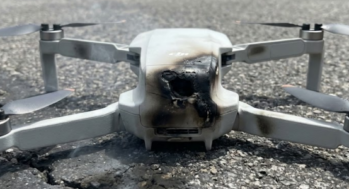
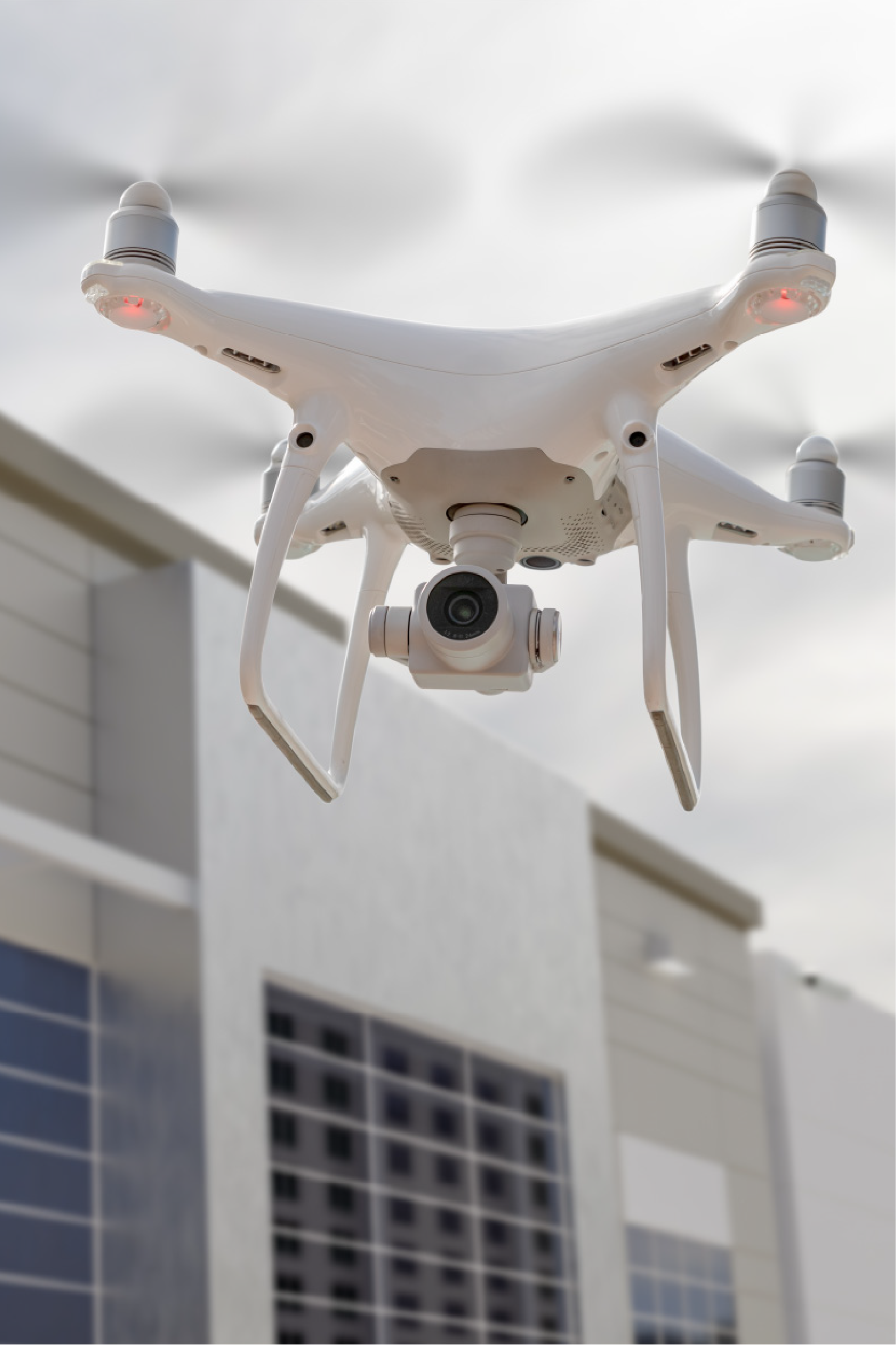
Blog FROM MANNED TO UNMANNED AVIATION: A NEW FRONTIER IN RISK ANALYSIS
Unmanned aviation: a new challenge in risk analysis

How the safety principles of traditional aviation are being reinvented for the drone era The high safety standards of modern aviation have been built over decades on rigorous engineering like the Particular Risk Analysis (PRA), a methodology for mitigating specific catastrophic risks. But the rapid emergence of Unmanned Aircraft Systems (UAS), with their electric propulsion [...]

Blog Collaborative Development of Complex Mechanical Systems
Collaborative Development of Complex Mechanical Systems

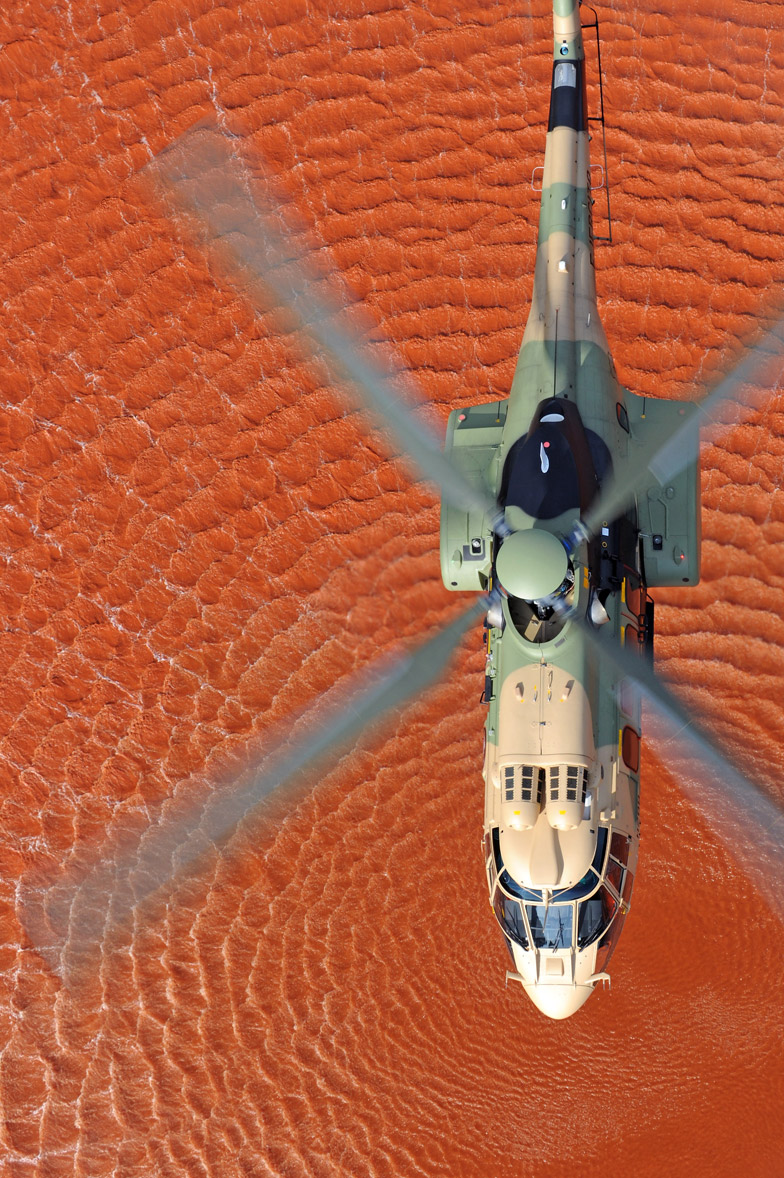
Case study of helicopter air conditioning system and MBSE integration Introduction The aeronautics sector is characterised by extremely strict performance, safety, and reliability requirements, making the development of new systems inherently complex. Onboard mechanical systems, such as helicopter air conditioning systems, shall not only meet rigorous technical specifications but also integrate flawlessly into an overall […]