


How the safety principles of traditional aviation are being reinvented for the drone era
The high safety standards of modern aviation have been built over decades on rigorous engineering like the Particular Risk Analysis (PRA), a methodology for mitigating specific catastrophic risks. But the rapid emergence of Unmanned Aircraft Systems (UAS), with their electric propulsion and high levels of autonomy, introduces new challenges that require their own safety framework.
This article will explore key examples of these new and adapted PRAs, illustrating the unique safety challenges of advanced drones and the engineering principles used to solve them.
Drone risk analysis can be divided into three broad areas.
Physical forces
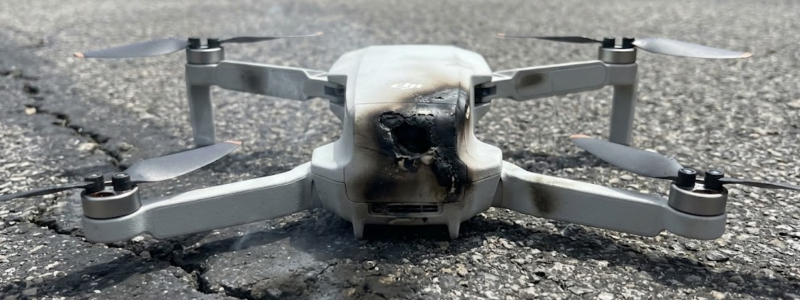
The first addresses physical forces, where the dangers are kinetic and violent. Here, the analysis must foresee a cascade of failures: from a propeller shattering and ejecting fragments, to a high-velocity bird strike, or even the failure of a payload securing mechanism that turns its cargo into a destructive projectile.
In each case, the engineering imperative is to guarantee structural integrity and containment, ensuring the UAS can withstand or isolate these violent physical impacts without catastrophic loss.
Invisible threats
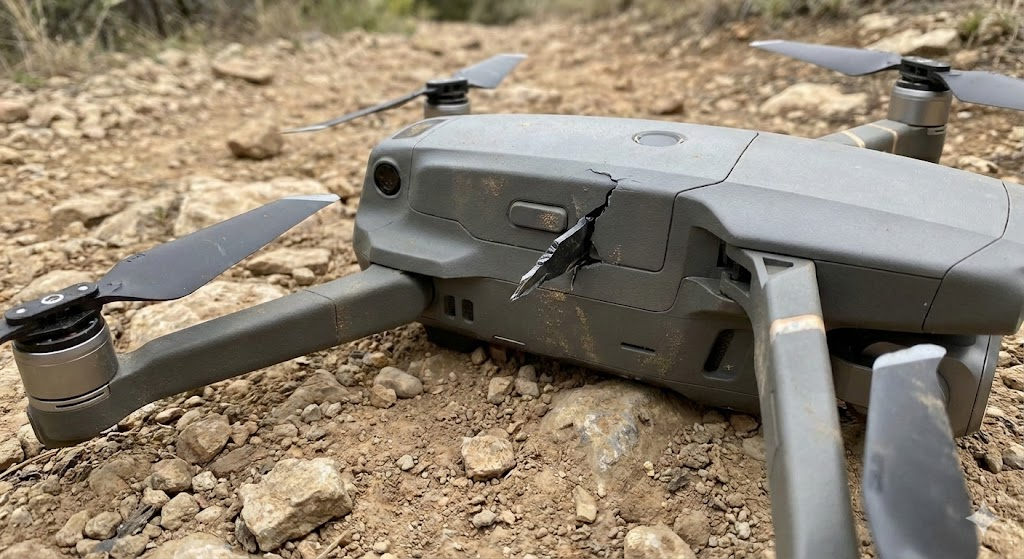
The second area focuses on invisible threats, those that can destroy a drone from within. The analysis must cover the effects of vibration, such as the structural resonance that can lead to collapse or the high-frequency vibrations from electric motors that degrade sensitive electronics. Added to this is the defining risk of the electric era: thermal runaway, an internal battery chain reaction that can cause intense fires and explosions.
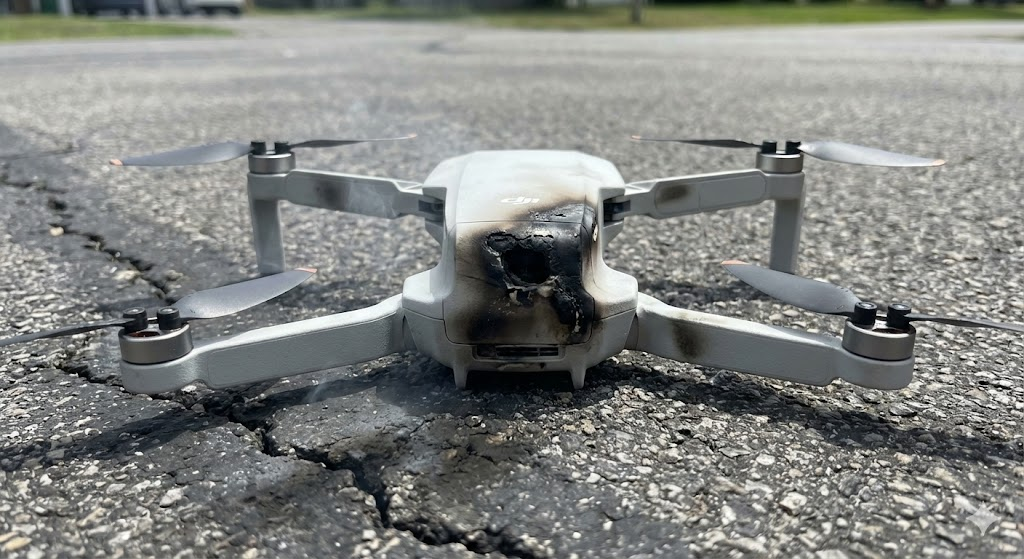
Here, the engineering focus shifts to systemic isolation and robust design, capable of dampening destructive vibrations and containing any sudden internal release of energy, whether thermal, mechanical or electrical.
The drone’s mind
The third and most novel area of risk lies in the drone’s mind. The analysis here is cognitive, not mechanical. It must assess the failure of the drone’s “eyes,” such as a malfunction in the Detect and Avoid System. The risk here is not just blindness, but an inability to correctly perceive or interpret obstacles, due to environmental conditions or software errors, leading to a loss of situational awareness.
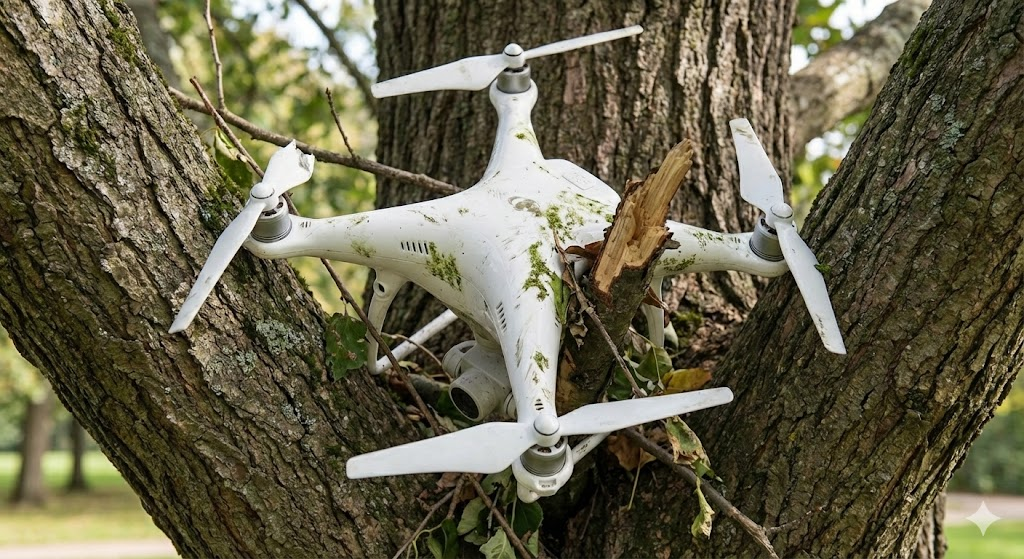
Even more complex is analyzing a failure in the autonomous logic itself, where the software makes a fatal error even if all hardware is working perfectly.
Conclusion
Unmanned aviation demands a fundamental reinvention of our safety philosophies. As we have explored, the rigorous engineering of Particular Risk Analysis must now evolve to address a new spectrum of threats. This new safety framework relies on three distinct frontiers: containing violent physical impacts, managing internal energy releases and validating the drone’s cognitive logic. Mastering these diverse challenges is the key to building the trust that matches the safety legacy of traditional aviation.